Heads up: This post contains affiliate links, including Amazon links. If you click and buy, we may earn a small commission at no extra cost to you. After digging deep into what works in small spaces, we only recommend tools and products we believe in.
Struggling to keep your plants alive when life is already chaos? You’re not alone.
Urban and apartment gardening comes with a stacked list of problems: bad lighting, pests, dry soil, no room, and zero time.
Here’s the good news: Smart gardening helps you grow real plants, even if your life is a mess and your lighting sucks.
And let’s be honest, most gardening “advice” is written for people with acres, not balconies.
This guide will show you how to use tools like automated irrigation systems, LED grow lights, and IoT in gardening to grow plants without babysitting them. You’ll get practical ideas you can set up over a weekend, even in tight, shady corners of your apartment.
Let’s break down what smart gardening really means, the tools that work (and don’t), and how to make it all fit your limited space, time, and attention.
Table of Contents
ToggleWhat Is Smart Gardening?
Smart gardening uses connected tools, like sensors, timers, and AI, to automate plant care. Think less watering can, more smart apps. Your phone becomes your garden assistant.
Instead of guessing when your basil’s thirsty or why your snake plant is dying, you use data from your garden to make smart decisions. Better yet? Most of these tools will just do it for you.
Why Urban Gardeners Are Switching to Smart Gardening
If your garden is a balcony, a window ledge, or three pots fighting for sunlight, you don’t have time for guesswork. That’s why more urban growers are going smart and choosing solutions that actually help.
Because smart gardening works when you don’t. And, here’s why they work:
- Time-saving: Systems water and light your plants while you sleep.
- Space-efficient: Tools like vertical gardens, hydroponic systems, and LED grow lights help you grow more in less space.
- Eco-conscious: Use less water, ditch the chemicals, and grow year-round, even indoors.
Smart gardening isn’t a flex. It’s survival gardening for people with jobs, kids, and crappy natural light.
Traditional vs Smart Gardening
Traditional gardening works great if you have time, space, and don’t mind doing everything by hand.
But if you’re growing on a balcony, dodging pests, and squeezing plant care between meetings? Smart gardening gives you back control.
| Traditional | Smart Gardening |
Watering | Forget once, it’s dead | Automated, app-controlled; works while you sleep |
Pest control | Spray, guess, and pray | Sensors + traps tell you what’s wrong (and fix it) |
Space usage | Needs land you don’t have | Balconies, shelves, and even kitchen counters work |
Resource use | Wasteful water + chemicals | Targeted watering + organic-friendly systems |
Smart gardening reduces the busywork, so your plants thrive, even when your schedule doesn’t.
Let’s look at how smart tools help urban gardeners.
How Smart Gardening Solves Small-Space Problems
You don’t need a backyard to grow your favorite plants (well, except for trees, hh).
Smart gardening solves the four biggest space-and-time killers for city growers.
Here’s how smart tools help urban gardeners:
No sunlight?
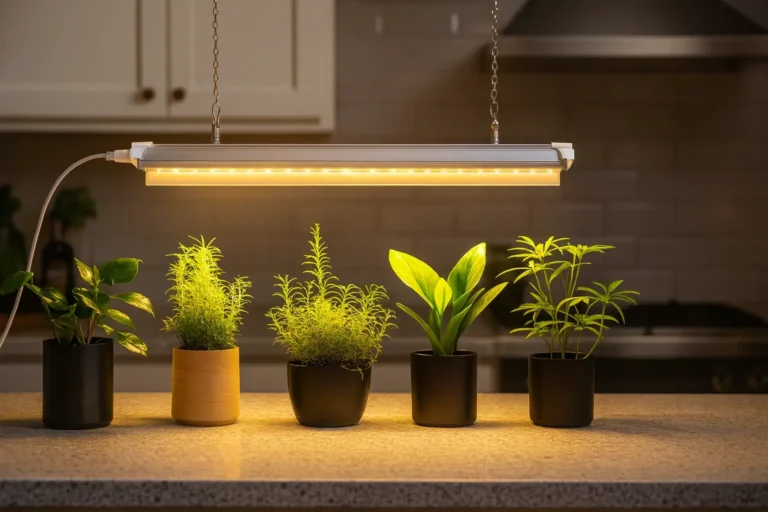
LED grow lights replicate the sun. Some adjust based on plant growth stages, so you never need to guess.
No soil or space?
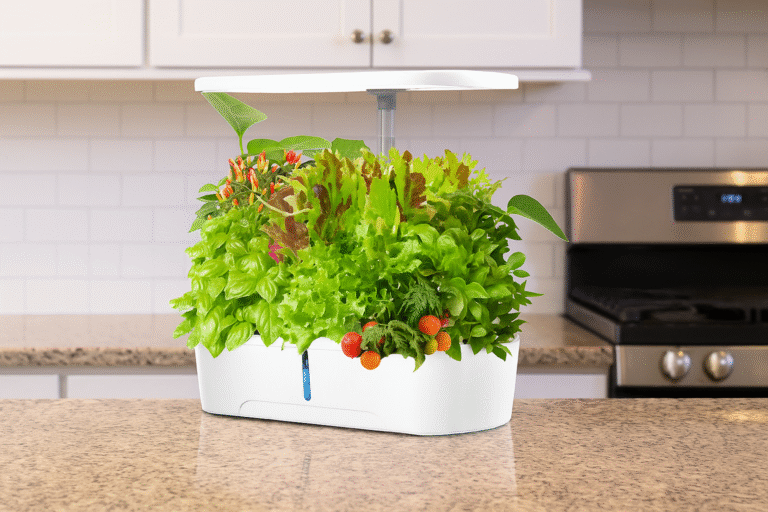
Compact hydroponic units and aeroponic systems grow greens in water or mist. Clean. Space-saving. Mess-free.
No time to water?
Automated irrigation systems water for you, and only when your plants actually need it.
Bugs everywhere?
Smart pest control solutions let you monitor and manage infestations early, without nuking everything with chemicals.

HOT TIP
Stack your wins. Pair LED grow lights with vertical gardens to turn your apartment wall into a mini jungle. Looks good. Feeds you. Saves floor space.
Why it works: More light = faster growth. Vertical setups = more yield. You get more greens without giving up square footage.
These fixes work because they’re targeted. But what are the actual tools that make all this possible?
Key Smart Gardening Tools (That Actually Work)
Smart gardening isn’t about collecting gadgets; it’s about solving annoying problems before they kill your plants.
These tools are built for apartment dwellers, balcony growers, and anyone working with limited light, space, and time.
1. Soil Sensors That Ping You
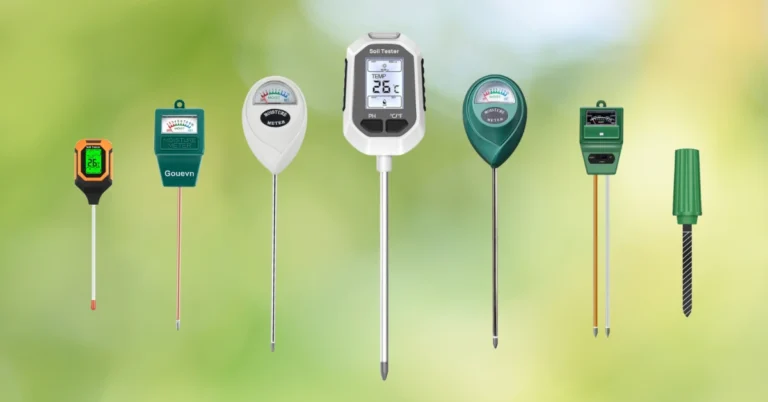
Forgot to water your basil? A sensor alerts you before it wilts. Too much sun on your snake plant? With smart soil sensors, you’ll know before the leaves burn.
Smart soil sensors sit in your pot or planter and tell you if your plant needs water, more light, or less heat.
What makes them magic: No more finger-in-the-dirt tests. Sensors tell you exactly what your plant needs.
2. Watering Systems That Run Themselves
These kits water your plants automatically, on a schedule, or only when the soil is dry. Perfect for balconies or windowsills where overwatering is easy to do and hard to undo.
Why it matters: You can forget to water for days, and your plants still survive.
3. Indoor Plant Lights That Act Like Sunlight (Grow Lights for Plants)
No south-facing window? No problem. Grow lights for plants help herbs, greens, and houseplants grow indoors. These plug-in lights give your plants exactly the light they need, even in dark apartments or gloomy seasons.
Why it works: Plants get full-spectrum light without needing a sunny window.
Want the full breakdown on plant grow lights ? Check out our guide: Grow Lights for Plants: Maximize Growth in Small Setups.
4. Soil-Free Growing Kits (Hydroponic & Aeroponic)
These countertop setups grow herbs and greens in water or mist, without soil or mess. They’re clean, compact, and grow faster than traditional pots.
Why it’s a game-changer: Grows faster, cleaner, and fits on a shelf.
Looking for a small indoor garden that works without soil? See our top hydroponic picks.
5. Smart Pest Control
See tiny gnats flying around? With smart pest control, you’ll know what they are and how to get rid of them without chemicals. Use plug-in repellents, gentle traps, or apps to spot bugs early and stop infestations.
Why it’s worth it: Handles bugs early and safely, no chemicals needed.
Not sure where to start? Here are 5 smart gardening tools that solve real problems for small-space growers.
Quick Picks: Smart Gardening Tools for Small Spaces
If you’re short on time, space, or patience, these indoor smart gardening tools make plant care a whole lot easier.
Each one solves a specific small-space headache, whether you forget to water or your apartment gets zero sun.
Tool | Problem Solved | Buy on Amazon |
Self-Watering Planters | Keeps plants alive if you forget to water (or leave town) | |
Smart Soil Sensor | Sends alerts when moisture or nutrients are off (beginner-friendly) | |
Compact LED Grow Light Bar | Adds light to gloomy apartments | |
Mini Drip Irrigation Kit | Waters your vertical or balcony setup (set-it-and-forget-it) | |
Countertop Hydroponic System | Grows herbs in your kitchen, no soil needed (10 pods) |
Wanna grow healthier plants with less effort? Check out our comprehensive guide on Smart Plant Sensors suitable for indoor gardening.
On a tight budget or just love a good DIY? Here are some smart gardening hacks you can build yourself, with stuff you probably already own.
Budget-Friendly DIY Smart Gardening Hacks
You don’t need a fancy setup or a big budget to start smart gardening. With a few simple materials and the right low-cost tools, you can automate watering, boost light, and track plant health without spending a fortune.
Here are a few easy projects you can knock out in an afternoon:
DIY Drip Watering System
Grab a plastic bottle, tubing, and a $10 timer. Poke a small hole, attach the tubing, and set the timer to drip every 12 hours. Done.
Why it works: Delivers water slowly and evenly, so your plants stay hydrated, even if you’re not home.
Support: Thousands of balcony gardeners use this hack. Works especially well for herbs and tomatoes.
LED Strip Grow Lights Under Shelves
LED strips (like these ones from Amazon) + power adapter = instant grow zone. Mount them under kitchen cabinets, bookshelves, or any low-light nook.
Why it works: Perfect for apartments with bad light. No south-facing windows required.
Support: LED strips pull low wattage and can double your herb growth during the winter months.
Upcycled Containers + Budget Moisture Sensors
Mason jars, old takeout containers, or that chipped mug? Pair it with a budget-friendly soil sensor like this one from Amazon, and boom, functional planter.
Why it works: You’ll never forget to water again (or accidentally drown your succulents).
Support: These sensors track moisture levels in real time. You’ll get a ping when your plant’s thirsty.
HOT TIP
Start small. A basic soil sensor is often the gateway tool. Once you trust the data, it’s easier to justify adding a grow light or auto-watering system. Build slowly, and your garden will thank you.
DIY smart tools are a great way to start, but even a few upgrades can unlock bigger wins over time.
Let’s look at what those smart solutions actually do once they’re in place.
Smart Gardening: Big Benefits in Small Spaces
Smart gardening tools are designed to make the most of whatever space (and time) you’ve got. Whether you’re working with a windowsill, a balcony, a small indoor vertical garden, or a tiny patio, the right setup can completely change the game.
With smart tech on your side, you can:
- Grow year-round, even through dark winters or weird weather.
- Use way less water thanks to targeted watering systems.
- Avoid over-fertilizing, which often kills more plants than it helps.
- Catch pests early without dousing everything in chemicals.
- Grow more in less space with vertical setups and soil-free systems.
- And most of all, eliminate the guesswork. Your plants get what they need, when they need it, and you get to stop stressing.
Smart gardening takes the pressure off and puts the power back in your (still slightly dirty) hands. Whether you’ve got a windowsill or a patio, you can make it work.
Grow Smarter, Not Harder
Smart gardening isn’t about chasing trends; it’s about making plant care work for you.
No time? No yard? No clue? Doesn’t matter. With the right tools, you can grow more with less: less space, less effort, less frustration.
Whether you’re just getting started or managing a jungle in a 600 sq ft apartment, smart gardening gives you back control and awesome results.
Start with one tool. Watch what happens. Then scale up and build a garden that actually works with your life, not against it.
Smart gardening doesn’t just save your plants. It saves your time, sanity, and square footage.
Related Posts You Might Like
- Thinking about indoor gardening, but not sure where to start?
From zero sunlight to zero time, this guide shows you how to grow herbs, greens, and more indoors, with tools that do the heavy lifting.
- Not sure which type of vertical garden works best in tiny spaces?
From wall-mounted setups to smart stackables, these real-world examples help you pick the right style for your space and budget.
- Want better results from your grow lights? Make sure they’re set up right.
Choosing the right light isn’t enough—this guide helps you place and time it for max growth with minimum energy.
- Tired of overwatering or not watering enough?
We picked the ones that give you real answers, not random numbers, so your plants stay happy, not soggy.
- Want your plants to look good and clean your air?
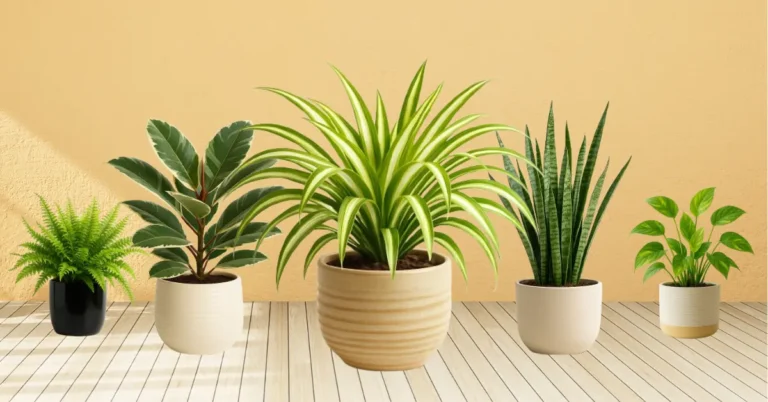
These low-effort beauties filter your air, boost your mood, and thrive in apartments, shelves, or that sad corner.
Frequently Asked Questions
What is smart gardening, really?
Smart gardening just means using tech that does the boring stuff for you, like watering, lighting, or reminding you your basil is dying so you can stop guessing and actually enjoy your plants.
Start with this budget–friendly soil sensor from Amazon, and see what happens.
Why should I even care about smart gardening?
Because you’re busy, your apartment has a trash light, and remembering to water every day is not happening. Smart gardening makes plant care doable, even if your schedule’s a mess.
Not sure where to start? Hydroponic systems do the work for you. Check out our blog post on the best small–space hydroponic options.
Is this stuff going to cost a fortune?
Not unless you go wild. You can start smart for under $30. Soil sensors, plug-in lights, and basic watering kits are cheap and actually save you money by keeping your plants alive longer and wasting less water.
Want the biggest return on a small setup? Check out the best plants for vertical gardening, low effort, high yield.
What smart tools are we even talking about?
Think: sensors that text you when your soil’s dry, lights that fake sunlight, watering kits that don’t forget, and countertop herb gardens that grow stuff while you work. All small-space friendly. All beginner-proof.
Want to explore more? Head to our full Smart Gardening hub for tips, guides, and tool reviews.
Is this actually eco-friendly, or just more plastic and power?
It’s more sustainable than overwatering your dying tomatoes three times a week. Smart tools use way less water, cut chemical use, and help you grow food locally, even if “local” means your kitchen counter.