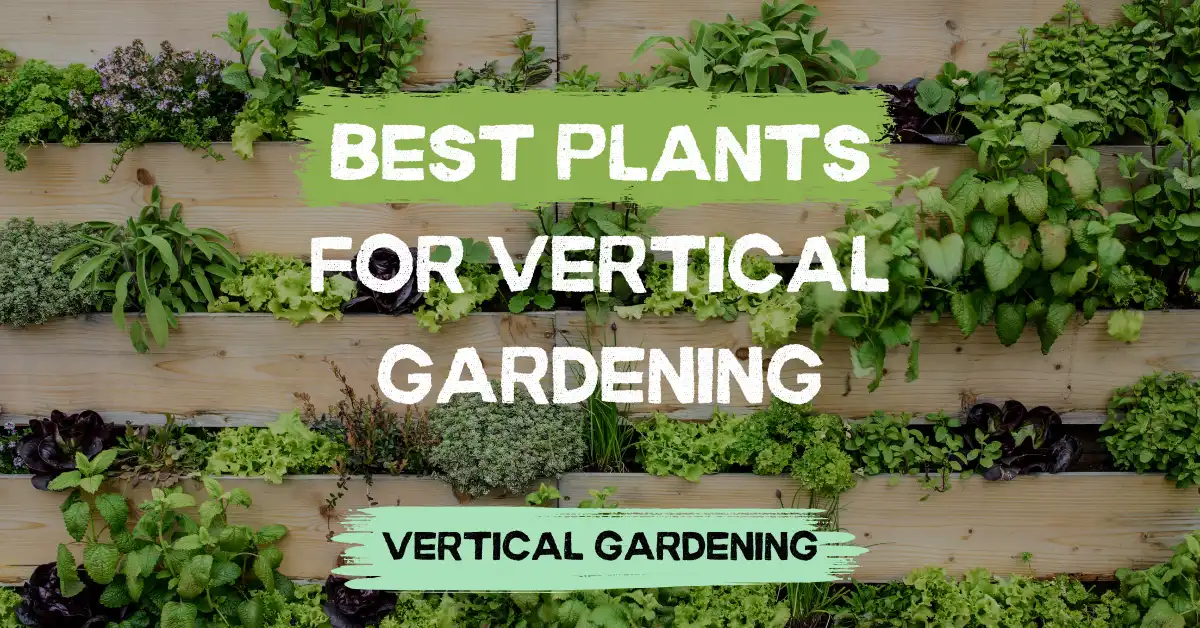
Best Plants for Vertical Gardening (Indoor & Outdoor Picks)

Discover the best plants for vertical gardening, including indoor and outdoor picks, low-maintenance options, and edible plants that thrive in small spaces.

Updated: October 2025

Heads up: This post contains affiliate links, including Amazon links. If you click and buy, we may earn a small commission at no extra cost to you. After digging deep into what works in small spaces, we only recommend tools and products we believe in.

It’s easy to get inspired by vertical garden ideas. It’s harder to figure out which plants won’t die in yours. Vertical gardening makes sense, but not every plant will cooperate. Some need too much sun. Others hate dry air or shallow roots.

Whether you’ve got a balcony wall, an indoor trellis, or just a few feet of vertical space, the right plants can turn it into a lush, living garden.

In this guide, you’ll find the best plants for vertical gardening, organized by climate, care needs, and space setup. From herbs and leafy greens to flowers and air purifying plants, we’ll show you what grows best where and how to keep it thriving.

Starting from scratch? Take a look at our vertical gardening guide for beginners.

4 Key Things to Know Before Choosing Plants for Vertical Gardening

Before you start planting vertically, nail these four essentials. These factors help you match the best plants for vertical gardening to your space and your lifestyle, so you don’t waste time (or plants).

Climate Fit

Match your plant to your region, or simulate ideal conditions indoors. Your plant doesn’t care if your windows look cute. It wants the right light and temp.

Space & Structure

Wall-mounted? Hanging? Stackable tower? The type of setup you use affects what kind of roots and growth habits your plant can handle.

Growth Style

Is it a climber, a trailer, or a compact grower? Choose based on how you want your garden to look, and how much space each plant needs to do its thing.

Care Level

Some plants thrive on neglect. Others need misting, trimming, rotating, and a little pep talk. Pick based on how much time (and energy) you want to give.

Now that you’ve got your setup in mind, let’s get into the fun part: choosing the best plants for vertical gardening based on your climate, goals, and care preferences.

TL;DR: Vertical Garden Plant Types at a Glance

Here’s your master cheat sheet of all the plants for vertical gardening you’ll find in this guide — sorted by category, light needs, and care level. Use this to quickly compare what works best in your space.

Category

Example Plants

Indoor-Friendly

Light Needs

Care Level

Climate-Specific Picks

Example Plants

Ivy  Fern, Cactus, Kale

Indoor-Friendly

✅ Some

Light Needs

Varies by style

Care Level

Varies


Low-Maintenance Plants

Example Plants

Snake Plant, Pothos, ZZ Plant

Indoor-Friendly

✅ Yes

Light Needs

Moderate

☀️ ☀️ ☀️ 

Care Level

Very Easy

💧

Edible Plants

Example Plants

Basil, Lettuce, Tomatoes

Indoor-Friendly

✅ Some

Light Needs

Moderate

☀️ ☀️ ☀️ 

Care Level

Easy

💧💧

Ornamental Plants

Example Plants

Petunias, Coleus, Ivy

Indoor-Friendly

❌ Mostly Outdoor

Light Needs

Moderate

☀️ ☀️ ☀️ 

Care Level

Moderate

💧💧💧

Indoor Vertical Plants

Example Plants

Peace Lily, Spider Plant, Philodendron

Indoor-Friendly

✅ Yes

Light Needs

Low

☀️ ☀️


Care Level

Easy

💧💧

Sustainable Plant Picks

Example Plants

Lavender, Native Plants, Succulents

Indoor-Friendly

✅ Some

Light Needs

Moderate

☀️ ☀️☀️ 

Care Level

Very Easy

💧

Aesthetic Theme Gardens

Example Plants

Monstera, Snake Plant, African Violets

Indoor-Friendly

✅ Yes

Light Needs

Varies by style

Care Level

Varies by plant

Companion Planting

Example Plants

Basil + Tomato, Lettuce + Carrot

Indoor-Friendly

✅ Some

Light Needs

Moderate

☀️ ☀️☀️ 

Care Level

Moderate

💧💧💧

*Climate still matters, but your setup, light levels, and care routine matter more. We’ll show you how to adjust based on where you’re growing.

1. Best Plants for Vertical Gardening by Climate

Your climate decides what’s going to thrive vs. what’s going to die a slow, crispy death. This section breaks down plants for vertical gardening by region, with quick-spec tables and smart tools to help them grow better.

Plants for Temperate Climates

Temperate zones are lucky; you get a bit of everything. Look for plants that can tolerate seasonal shifts and bounce back easily.

Plant

Light need

Water

Indoor-Friendly

Buy Options

Ivy

Light need

Moderate

☀️☀️☀️

Water

Moderate

💧💧💧

Indoor-Friendly

✅ Yes

Lettuce

Light need

Moderate

☀️☀️☀️

Water

Frequent

💧💧💧💧

Indoor-Friendly

✅ Yes

Buy on

Pansies

Light need

Full sun

☀️☀️☀️☀️

Water

Moderate

💧💧💧

Indoor-Friendly

❌ Outdoor only

Buy on

These are great starter plants if your weather is mild — and they bounce back well after seasonal transitions.

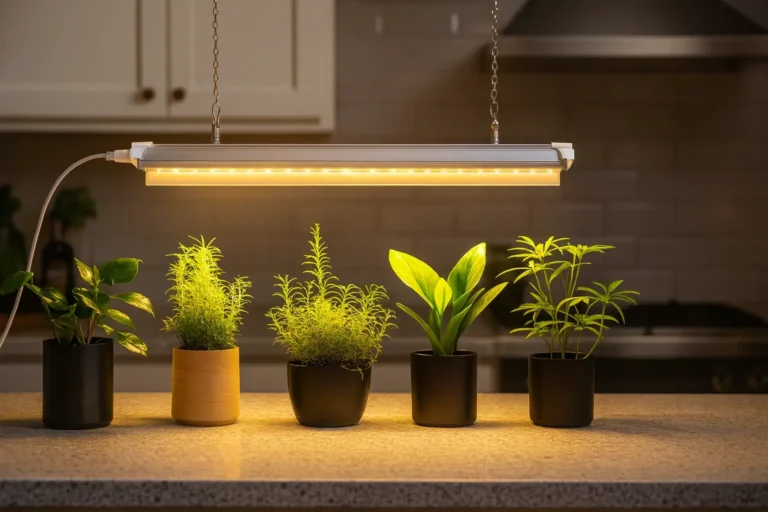
For cooler indoor climates, use a simple LED grow light to mimic sunlight and keep vertical plants indoor healthy through the seasons.

Plants for Tropical Climates

Tropical conditions (or tropical-style bathrooms) are perfect for humidity-loving greenery that brings bold texture.

Plant

Light need

Water

Indoor-Friendly

Buy Options

Philodendron

Light need

Low-Moderate

☀️☀️

Water

Moderate

💧💧💧

Indoor-Friendly

✅ Yes

Orchids

Light need

Bright indirect

☀️

Water

Low-Moderate

💧💧

Indoor-Friendly

✅ Yes

Buy on

Ferns

Light need

Moderate

☀️☀️☀️

Water

High

💧💧💧💧💧

Indoor-Friendly

✅ Yes

If you’re growing indoors, humidity is your friend. These self-watering wall planters from Amazon are a great choice to maintain moisture without overdoing it.

Plants for Arid Climates

Low humidity, lots of light? These drought-tolerant vertical plant options are low-effort, high-impact, and ideal for busy gardeners or those with south-facing balconies.

Plant

Light need

Water

Indoor-Friendly

Buy Options

Succulents

Light need

Full sun

☀️☀️☀️☀️

Water

Low

💧💧

Indoor-Friendly

✅ Yes

Lavender

Light need

Full sun

☀️☀️☀️☀️

Water

Low

💧💧

Indoor-Friendly

❌ Outdoor only

Buy on

Cactus

Light need

Full sun

☀️☀️☀️☀️

Water

Very low

💧

Indoor-Friendly

✅ Yes

Buy on

If you’re working with bright indoor light, a vertical cactus frame or sunny windowsill setup works well, just use a gritty soil mix and don’t overwater.

Plants for Cold Climates

Cold climate? No problem. Focus on plants that keep color or produce food even when the temps drop.

Plant

Light need

Water

Indoor-Friendly

Buy Options

Kale

Light need

Moderate

☀️☀️☀️

Water

Moderate

💧💧💧

Indoor-Friendly

✅ Yes

Thyme

Light need

Full sun

☀️☀️☀️☀️

Water

Low

💧💧

Indoor-Friendly

✅ Yes

Evergreens

Light need

It varies by type

Water

Moderate

💧💧💧

Indoor-Friendly

❌ Outdoor only

In colder zones, group your indoor vertical plants near windows for warmth, and add a humidifier to prevent crispy winter leaves.

If you’re growing outdoors or in a changing climate, use a soil temperature sensor to time planting and avoid shocking your roots.

2. Best Low-Maintenance Plants for Busy Gardeners

Whether you’re juggling work, life, or just forget to water things (no judgment), these low-maintenance plants for vertical gardening are built to survive neglect. They’re ideal for small-space gardeners who want lush results without daily chores.

These picks thrive with minimal watering, bounce back from dry spells, and are forgiving about light. They’re the real MVPs of vertical plants indoor.

Low-Maintenance Vertical Gardening Plants

Plant

Light need

Water

Indoor-Friendly

Buy Options

Snake Plant

Light need

Low-Moderate

☀️☀️

Water

Every 2-3 weeks

Indoor-Friendly

✅ Yes

Pothos

Light need

Low-Moderate

☀️☀️

Water

Weekly

Indoor-Friendly

✅ Yes

ZZ Plant

Light need

Low

☀️

Water

Every 3-4 weeks

Indoor-Friendly

✅ Yes

Spider Plant

Light need

Moderate

☀️☀️☀️

Water

Weekly

Indoor-Friendly

✅ Yes

Succulents

Light need

Full sun

☀️☀️☀️☀️

Water

Monthly

Indoor-Friendly

✅ Yes

These are perfect for wall-mounted pockets, hanging baskets, or modular vertical racks. Most don’t need deep soil, making them super compatible with compact planters.

Note: If watering is your weak point, these selfwatering wall planters from Amazon are perfect for vertical plants indoor, they keep soil hydrated without the guesswork.

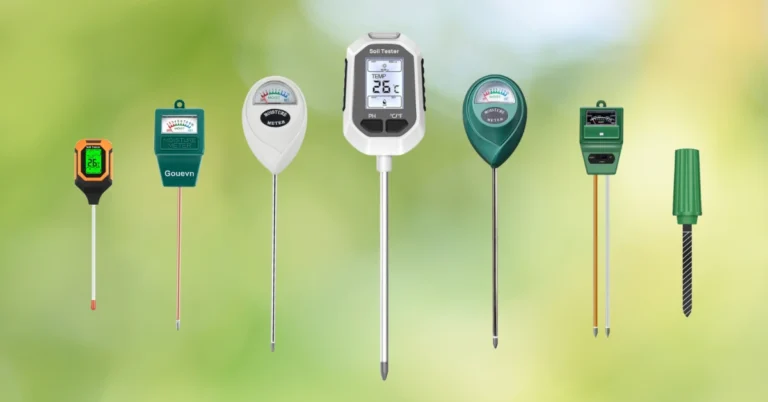
Want more automation? Combine these with budget-friendly soil moisture meters that actually work in small containers.

3. Best Edible Plants for Vertical Gardens

There’s something incredibly satisfying about harvesting herbs or greens from your wall. Edible plants are some of the best plants for vertical gardening because they’re compact, fast-growing, and (bonus) you can eat them.

Whether you’re growing on a kitchen wall, balcony railing, or hanging planter, these edible picks deliver freshness without taking over your space.

Edible Vertical Garden Plants

Plant

Light need

Water

Indoor-Friendly

Buy Option

Basil

Light need

Moderate

☀️☀️☀️

Water

Moderate

💧💧💧

Indoor-Friendly

✅ Yes

Mint

Light need

Moderate

☀️☀️☀️

Water

Moderate

💧💧💧

Indoor-Friendly

✅ Yes

Lettuce

Light need

Moderate

☀️☀️☀️

Water

Frequent

💧💧💧💧

Indoor-Friendly

✅ Yes

Tomatoes

Light need

Full sun

☀️☀️☀️☀️

Water

Frequent

💧💧💧💧

Indoor-Friendly

✅ Yes

Buy Option

Strawberries

Light need

Full sun

☀️☀️☀️☀️

Water

Moderate

💧💧💧

Indoor-Friendly

✅ Yes

Buy Option

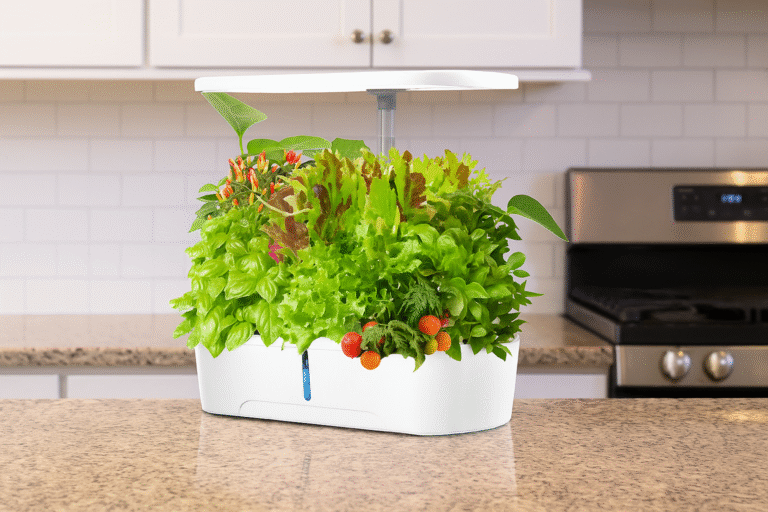
These edible vertical plants are great for small patios, sunny kitchen windows, or even living room setups with a grow light.

Strawberries and leafy greens thrive in stackable planters, especially when they have built-in drainage, like this vertical herb planter from Amazon. It keeps roots happy and makes watering way easier for small-space gardeners.

Companion planting tip: Try pairing basil with tomatoes. Basil naturally repels pests and enhances tomato flavor. Mint also grows well with lettuce, but plant it in its own container, or it’ll take over everything.

4. Best Ornamental Plants for Vertical Gardens

If you’re going for visual impact, ornamental plants bring texture, color, and drama to your vertical setup. These are perfect for turning a blank wall into a blooming focal point or softening the lines of a balcony railing.

While not all are suited for vertical plants indoor, many can thrive in containers, hanging pockets, or modular systems, as long as you choose the right varieties.

Ornamental Vertical Gardening Plants

Plant

Light need

Water

Indoor-Friendly

Buy Option

Petunias

Light need

Full sun

☀️☀️☀️☀️

Water

Moderate

💧💧💧

Indoor-Friendly

❌ Outdoor only

Coleus

Light need

Moderate

☀️☀️☀️

Water

Moderate

💧💧💧

Indoor-Friendly

✅ Yes

Ferns

Light need

Low-Moderate

☀️☀️

Water

Frequent

💧💧💧💧

Indoor-Friendly

✅ Yes

Buy Option

Ivy

Light need

Moderate

☀️☀️☀️

Water

Moderate

💧💧💧

Indoor-Friendly

✅ Yes

Buy Option

Nasturtiums

Light need

Full sun

☀️☀️☀️☀️

Water

Moderate

💧💧💧

Indoor-Friendly

❌ Outdoor only

Buy Option

Ornamentals are ideal for freestanding vertical frames or wall-mounted pocket planters, especially when you mix textures, like trailing ivy with upright coleus.

Note: Ferns and ivy do especially well as indoor vertical plants. Just keep them in indirect light and add humidity with a simple mister or this plant humidifier from Amazon.

Style tip: Combine flowering plants like petunias with bold foliage (coleus, ferns) to add dimension. Use trailing vines around the edges to soften hard lines and create that lush, layered look.

5. Best Indoor Vertical Plants

No balcony? No problem. You can still create a lush, vertical jungle right inside your apartment.

The key to growing vertical plants indoor is to focus on varieties that can handle low to medium light, dry indoor air, and compact containers. Bonus points if they clean the air while they’re at it.

Indoor Vertical Gardening Plants

Plant

Light need

Water

Indoor-Friendly

Buy Option

Peace Lily

Light need

Low-Moderate

☀️☀️

Water

Moderate

💧💧💧

Indoor-Friendly

✅ Yes

Buy Option

Spider Plant

Light need

Moderate

☀️☀️☀️

Water

Moderate

💧💧💧

Indoor-Friendly

✅ Yes

Buy Option

Philodendron

Light need

Low-Moderate

☀️☀️

Water

Moderate

💧💧💧

Indoor-Friendly

✅ Yes

Buy Option

ZZ Plant

Light need

Low

☀️

Water

Low

💧💧

Indoor-Friendly

✅ Yes

Buy Option

Pothos

Light need

Low-Moderate

☀️☀️

Water

Moderate

💧💧💧

Indoor-Friendly

✅ Yes

Buy Option

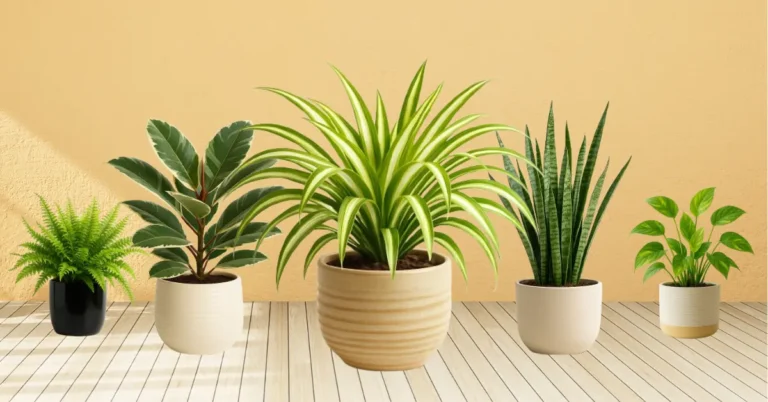
All of these plants thrive in wall-mounted pocket planters, hanging baskets, or narrow shelving. They don’t demand deep soil or strong sun, making them ideal for renters or low-light homes.

Placement tip: Use pothos or philodendron on higher tiers to create a natural cascade. Keep peace lilies and ZZ plants on lower levels where light tends to be dimmer; they’ll handle it just fine.

If your space lacks natural light, try using LED grow lights for indoor plants like these from Amazon to keep your indoor vertical plants vibrant and healthy year-round.

Want to go deeper into clean-air options? Here’s a full guide to air purifying plants for small spaces.

6. Best Sustainable and Eco-Friendly Plants for Vertical Gardening

Want your vertical garden to do more than just look good? Go sustainable.

These eco-friendly plants for vertical gardening are low-resource, pollinator-friendly, or native to your region,  which means they thrive with less water, fertilizer, and fuss.

They’re perfect for small-space gardeners who care about reducing waste and making their homes (and balconies) a little greener, in every sense of the word.

Eco-Friendly Vertical Gardening Plants

Plant

Light need

Water

Indoor-Friendly

Buy Option

Lavender

Light need

Full sun

☀️☀️☀️☀️

Water

Low

💧💧

Indoor-Friendly

❌ Outdoor only

Buy Option

Succulents

Light need

Full sun

☀️☀️☀️☀️

Water

Very Low

💧

Indoor-Friendly

✅ Yes

Buy Option

Native Plants

Light need

Varies by type

Water

Varies by type

Indoor-Friendly

✅ Some

Herbs

Light need

Moderate

☀️☀️☀️

Water

Low

💧💧

Indoor-Friendly

✅ Yes

Air Plants

Light need

Bright indirect

☀️☀️☀️☀️

Water

Moderate

💧💧💧

Indoor-Friendly

✅ Yes

Buy Option

Eco-friendly doesn’t have to mean boring. These picks offer fragrance, food, and form, with less impact on your water bill or the planet.

Want to go one step greener? Try using upcycled vertical planters like wall grids made from old pallets or recycled plastic pockets.

Sustainability tip: Stick to native plants whenever possible. They’re built for your climate, attract local pollinators, and usually require less care than exotic imports.

7. Aesthetic Themes for Vertical Gardens

Vertical gardening doesn’t just save space, it lets you create an actual vibe.

Whether you want a cozy jungle in your bathroom, a clean architectural statement in your kitchen, or a burst of color on your balcony, choosing a visual theme helps you design intentionally (and avoid that “random houseplant aisle” look).

Let’s break down a few go-to aesthetic themes and the best plants for vertical gardening that bring them to life.

Plant

Theme

Indoor-Friendly

Buy Options

Monstera

Theme

Tropical

Indoor-Friendly

✅ Yes

Snake Plant

Theme

Minimalist

Indoor-Friendly

✅ Yes

African Violets

Theme

Colorful Blooms

Indoor-Friendly

✅ Yes

Use selfwatering wall planters like these from Amazon to keep humidity-loving tropicals happy and hydrated.

Design tip: Mix and match, but stay within a palette. Even with vertical plants indoor, a consistent theme or color family pulls your garden together without overwhelming the space.

8. Companion Planting in Vertical Gardens

Companion planting isn’t just for large garden beds; it also works in vertical gardens.

When you combine the right plants, you can enhance growth, naturally repel pests, and make better use of limited spaces. For small-space or indoor gardeners, that means less work, healthier plants, and a more efficient vertical setup.

Here’s how to do it without turning your wall into a war zone.

Best Vertical-Friendly Companion Pairs

  • Basil + Tomatoes. Basil boosts tomato flavor + repels pests
  • Lettuce + Carrots. Lettuce shades the soil, carrots grow downward
  • Spinach + Strawberries. Shared water + light needs, compact roots
  • Mint + Leafy Greens. Mint deters pests, but grows aggressively

For tighter setups, plant companion pairs in side-by-side pouches or stackable pockets, just make sure their root systems don’t compete.

Combos to Avoid in Tight Spaces

Some plants just don’t get along, especially in close quarters. Avoid these combos in your vertical layout:

  • Onions + Beans: Onion roots can stunt bean growth

  • Cucumbers + Aromatic Herbs: Strong scents may interfere with cucumber growth or attract pests

If you’re using wall-mounted vertical planters, avoid mixing aggressive growers (like mint or tomatoes) in the same pocket. Give them their own space.

Mini tip: Use modular vertical garden kits, like Mr. Stacky from Amazon, that let you reconfigure sections, perfect for isolating bossy plants like mint while still keeping your garden compact.

Forgot to water? Add a soil moisture sensor to your vertical setup, especially helpful for wall planters or stacked containers.

Care Essentials for Your Vertical Plants

Once you’ve picked the best plants for vertical gardening, don’t forget the behind-the-scenes helpers: the right soil mix and occasional feeding can make a huge difference in growth, especially in containers or wall setups.

Here are a few small-space-friendly add-ons that actually help:
Accessory

Why It Helps

Buy on Amazon

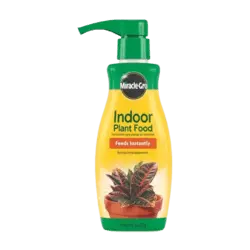
Liquid food

A balanced liquid fertilizer boosts health, especially when light is weak. Use diluted, monthly.

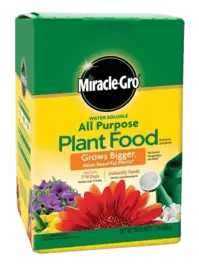
All Purpose Plant Food

Use a granular/soluble option for occasional feeding if you skip liquid doses.

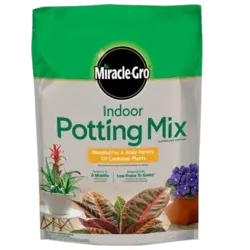
Indoor Potting Mix

A well‑formulated mix ensures good drainage + aeration, avoiding waterlogging or compaction.

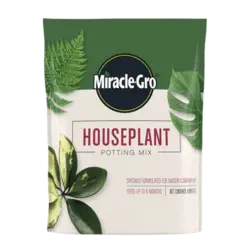
Houseplant Potting Mix

Fertilized + perlite mix helps reduce gnats, keeps soil light, and gives a slight nutrient bump out of the bag.

Hot Tip: For vertical planters with shallow pockets, go lighter on fertilizer to avoid salt buildup. Also, make sure your soil isn’t too dense, vertical setups need good drainage.

Your Vertical Garden Starts Here

The best plants for vertical gardening aren’t one-size-fits-all. They’re the ones that work for your space, your climate, and your energy level.

Whether you’re building a lush indoor wall of trailing greenery, hanging herbs from your kitchen backsplash, or lining a sunny balcony with edible blooms, the goal is the same:

More green. Less mess. Zero wasted effort.

Start with the plants that fit your setup. Use the tools that reduce friction (hello, self-watering planters and stackable kits). And remember: it doesn’t take a yard to grow something beautiful.

Frequently Asked Questions

What are the best plants for vertical gardening in small spaces?

Compact or trailing plants that thrive in containers and shallow soil: pothos, basil, lettuce, succulents, spider plants, and ZZ plants are all excellent for tight vertical setups.

Yes, herbs like basil, thyme, mint, and leafy greens like lettuce or spinach do well vertically. Choose dwarf or bush varieties of tomatoes and strawberries for higher tiers.

Use companion planting (like basil with tomatoes), maintain airflow between plants, and check leaves regularly. Neem oil or a mild soap spray helps if pests show up.

Not necessarily. You can design a low-maintenance vertical garden using drought-tolerant or slow-growing plants, plus tools like self-watering planters and moisture meters. Start simple, then level up.